


The Misunderstood Masterpiece: Rediscovering Riesling

For a wine that has quietly shaped some of the greatest wine regions in the world, Riesling remains one of the most misunderstood varietals on the market. Too often dismissed as “sweet” or overly aromatic, Riesling is, in truth, one of the most precise, expressive, and intellectually rewarding wines a person can experience.
From the vertiginous slate slopes of Germany’s Mosel Valley to the sunlit vineyards of Alsace and the emerging regions of Australia and the United States, Riesling has built a global identity rooted in purity, terroir, and versatility. Yet what makes Riesling truly unique—and what separates casual drinkers from true enthusiasts—is the mindset required to appreciate it.
This is not a wine that shouts. It is a wine that reveals.
A Grape Defined by Transparency
Riesling is often described as one of the most “transparent” grape varieties in the world. Unlike heavily manipulated wines or those dominated by oak influence, Riesling acts as a near-perfect conduit for terroir—the combination of soil, climate, and geography that shapes a wine’s character.
In regions like the Mosel, Riesling vines cling to steep, slate-rich hillsides. The slate absorbs heat during the day and releases it at night, allowing grapes to ripen slowly while maintaining razor-sharp acidity. The result is a wine that carries an unmistakable mineral signature—often described as wet stone, flint, or even petrol as it ages.
This level of transparency means that no two Rieslings are ever quite the same. A Riesling from Germany will express itself differently than one from Alsace, which in turn differs from those produced in Clare Valley, Australia. Even within the same vineyard, vintage variation plays a significant role.
To appreciate Riesling, you must embrace nuance. It rewards attention to detail in a way few wines do.
The Sweetness Spectrum: A Language of Its Own
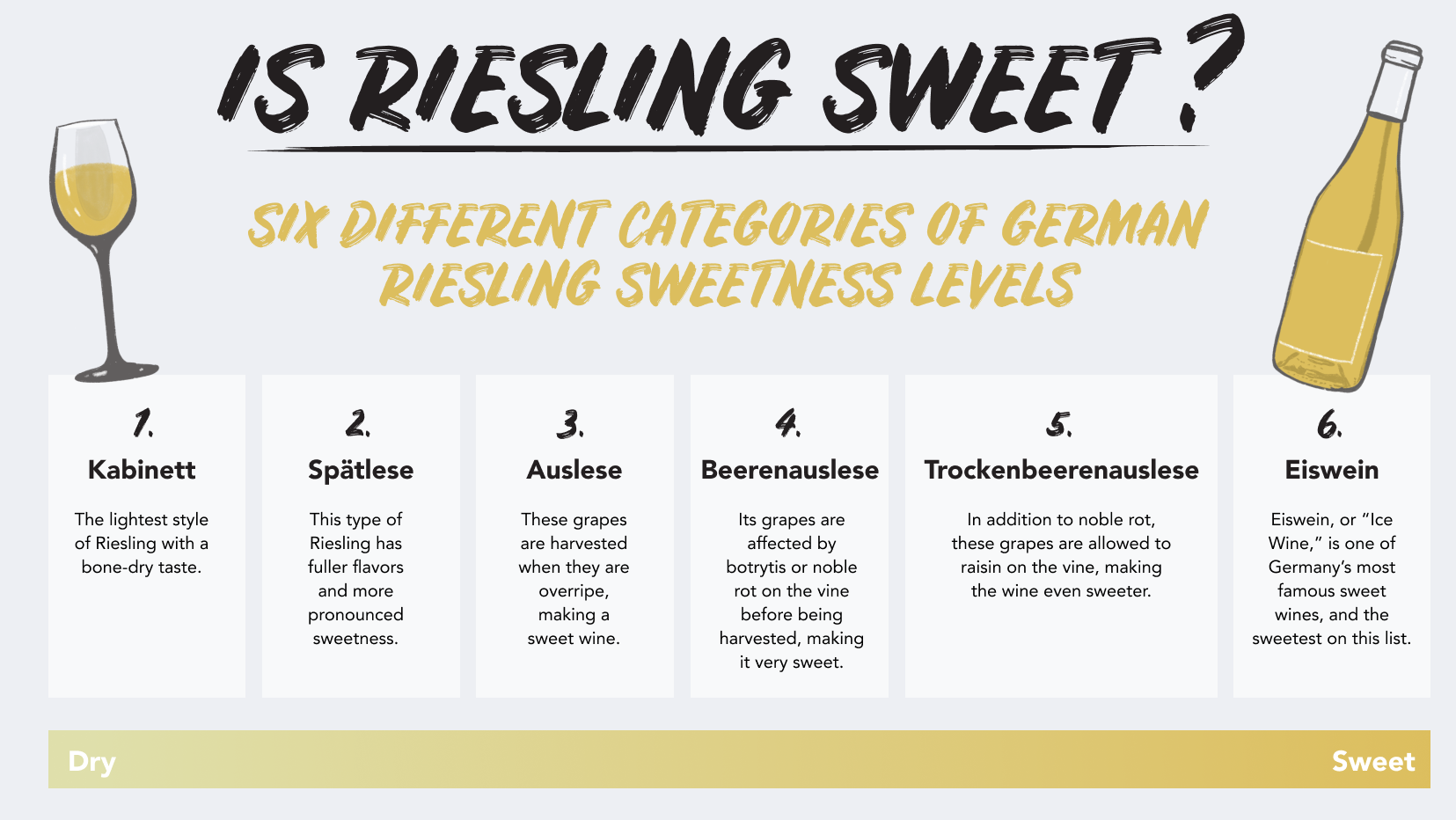
One of the defining—and often confusing—characteristics of Riesling is its broad range of sweetness levels. Unlike many other varietals, Riesling can be produced in styles ranging from bone-dry to lusciously sweet, all while maintaining its signature acidity.
German Riesling classification provides a useful framework:
-
Trocken – Dry, crisp, and structured
-
Kabinett – Light, slightly off-dry, elegant
-
Spätlese – Riper grapes, richer texture, balanced sweetness
-
Auslese – Select harvest, deeper sweetness and complexity
-
Beerenauslese / Trockenbeerenauslese – Intensely sweet, often dessert wines
What makes this spectrum unique is not simply the presence of sugar, but the balance. Riesling’s naturally high acidity acts as a counterweight, preventing sweetness from becoming cloying. Instead, it creates tension—one of the most desirable qualities in fine wine.
For many drinkers, the journey into Riesling begins with recalibrating expectations. Sweetness, in this context, is not a flaw—it is a dimension.
Aromatics That Tell a Story
Riesling is one of the most aromatic grapes in the world. A single glass can reveal layers of citrus, green apple, stone fruit, white flowers, honey, and—famously—petrol.
Yes, petrol.
While it may sound off-putting, the petrol note (caused by a compound called TDN) is actually a prized characteristic in aged Rieslings. It adds complexity and signals a wine that has evolved over time.
Young Rieslings tend to showcase bright, fresh aromas—lime zest, green apple, peach, and jasmine. As they age, these flavors deepen into honey, apricot, and toasted nuances.
This aromatic evolution is part of what makes Riesling so compelling. It is not static. It is a living expression that changes in the glass and over the years.
To truly appreciate Riesling, one must slow down and engage with the aromas. It is a wine that invites contemplation.
The Role of Acidity: Riesling’s Backbone
If Riesling has a defining structural element, it is acidity.
High acidity gives Riesling its vibrancy, its longevity, and its food-pairing versatility. It is the reason a Riesling can taste both refreshing and complex, even when it contains residual sugar.
This acidity also allows Riesling to age remarkably well. Some of the world’s greatest Rieslings can evolve for decades, developing layers of flavor that rival the finest wines from any region.
For the drinker, acidity is the key to understanding Riesling. It is what keeps the wine alive on the palate, creating a sensation that is both cleansing and invigorating.
A Sommelier’s Secret Weapon

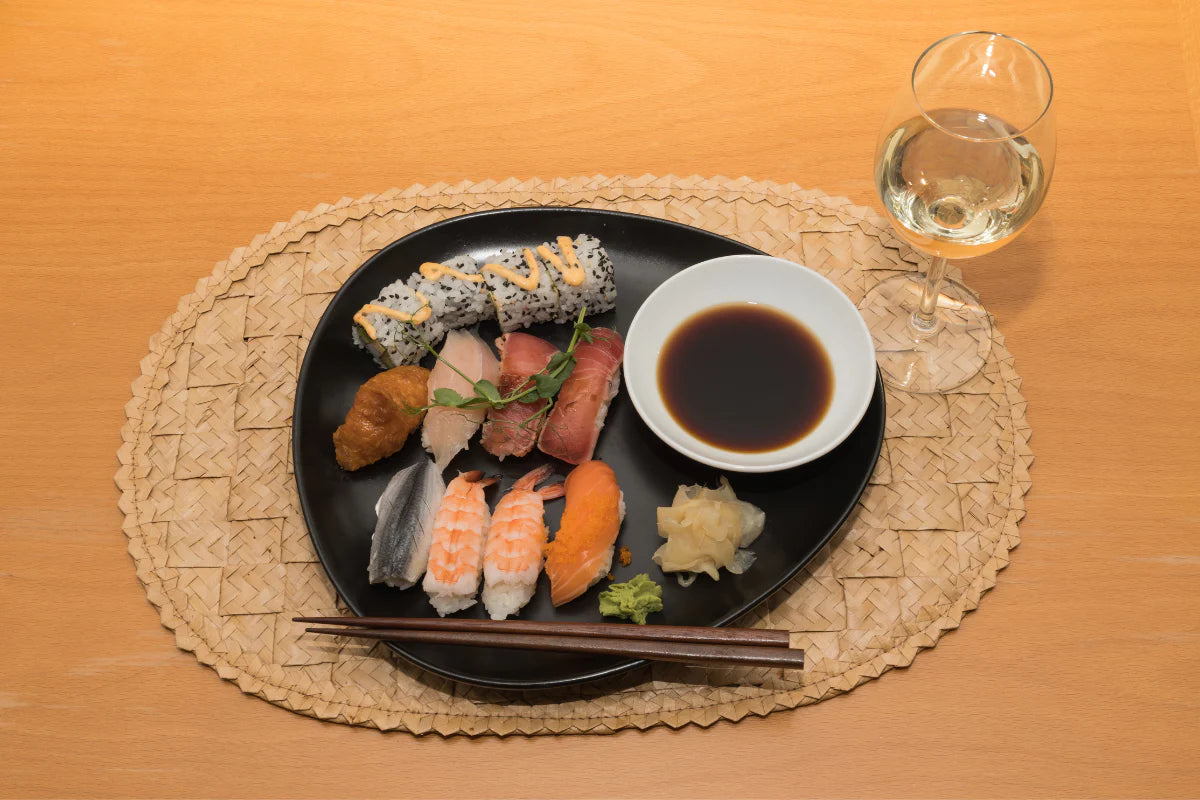

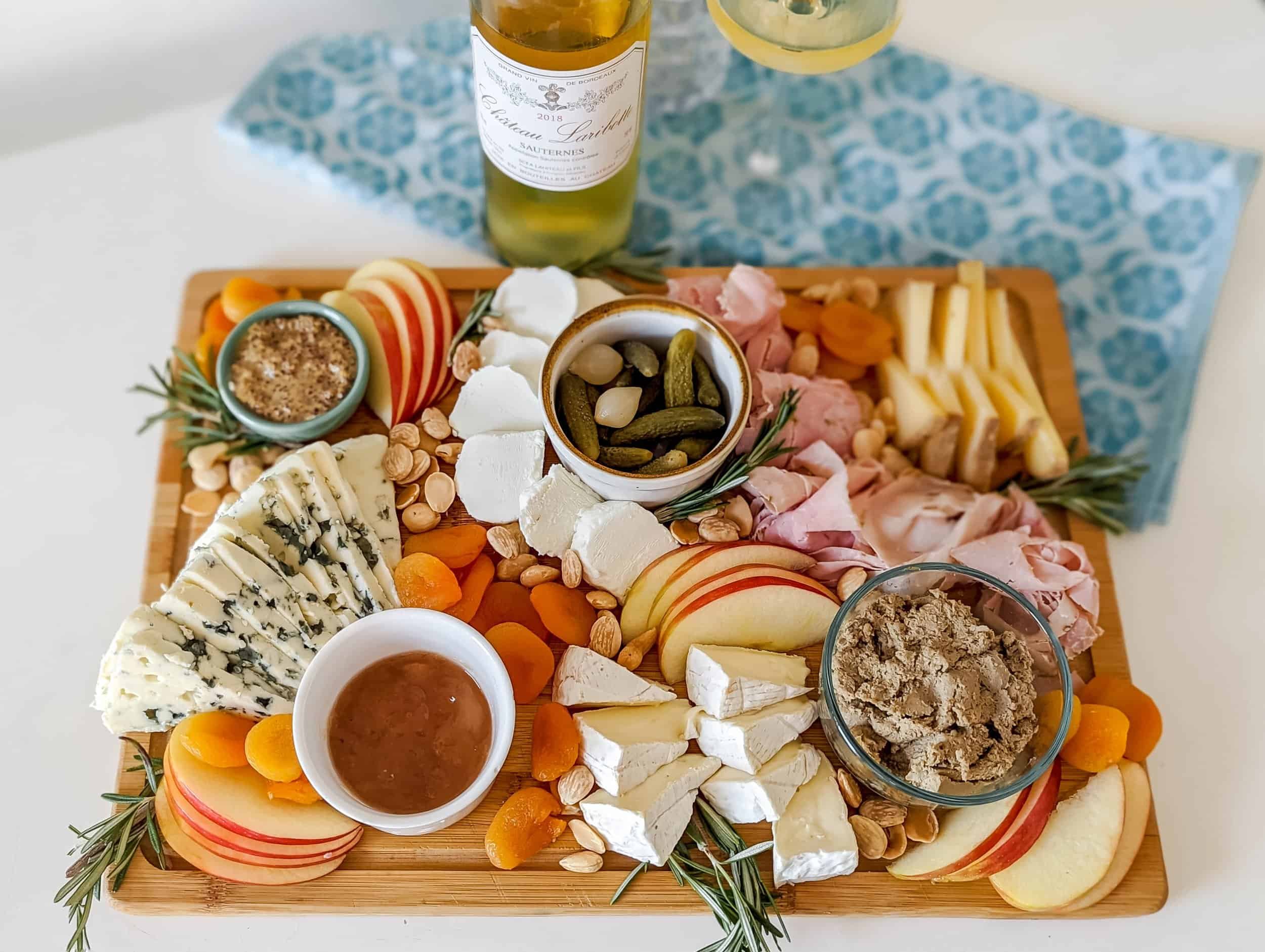
Among wine professionals, Riesling is often considered one of the most versatile food-pairing wines in existence.
Its combination of acidity, aromatics, and variable sweetness allows it to pair with an extraordinary range of dishes:
-
Spicy cuisine (Thai, Indian, Mexican) – The slight sweetness tempers heat
-
Seafood – Its acidity complements delicate flavors
-
Pork and poultry – Enhances richness without overpowering
-
Cheese – Especially soft and creamy varieties
This versatility makes Riesling an invaluable tool for sommeliers and hosts alike. It bridges gaps that other wines cannot.
Yet for many consumers, this remains an untapped opportunity. Learning to pair Riesling effectively can completely transform one’s perception of the wine.
What It Takes to Appreciate Riesling
Appreciating Riesling is not about acquiring expensive bottles or memorizing classifications. It is about adopting a different approach to wine.
1. Let Go of Preconceptions
The biggest barrier to Riesling is expectation. Many people associate it solely with sweetness. Approaching Riesling with an open mind is the first step.
2. Taste Across Styles
To understand Riesling, you must experience its range. A dry Alsace Riesling and a German Spätlese are entirely different expressions of the same grape.
3. Pay Attention to Balance
Rather than focusing on sweetness or dryness alone, consider how the wine balances acidity, fruit, and structure.
4. Engage Your Senses
Riesling rewards attention. Spend time with the aromas. Notice how they evolve in the glass.
5. Pair It Thoughtfully
Riesling shines at the table. Experiment with pairings to unlock its full potential.
The Quiet Luxury of Riesling
In a world where bold, heavily oaked wines often dominate attention, Riesling offers something different: precision, elegance, and authenticity.
It does not rely on power or excess. Instead, it captivates through detail, balance, and expression.
For those willing to explore it, Riesling becomes more than just a wine—it becomes a lens through which to understand terroir, structure, and the art of winemaking itself.
And perhaps that is its greatest strength.
Riesling is not a wine you simply drink.
It is a wine you learn to understand.


