

The Wines of Bordeaux: A Region Defined by Balance, History, and Timeless Appeal
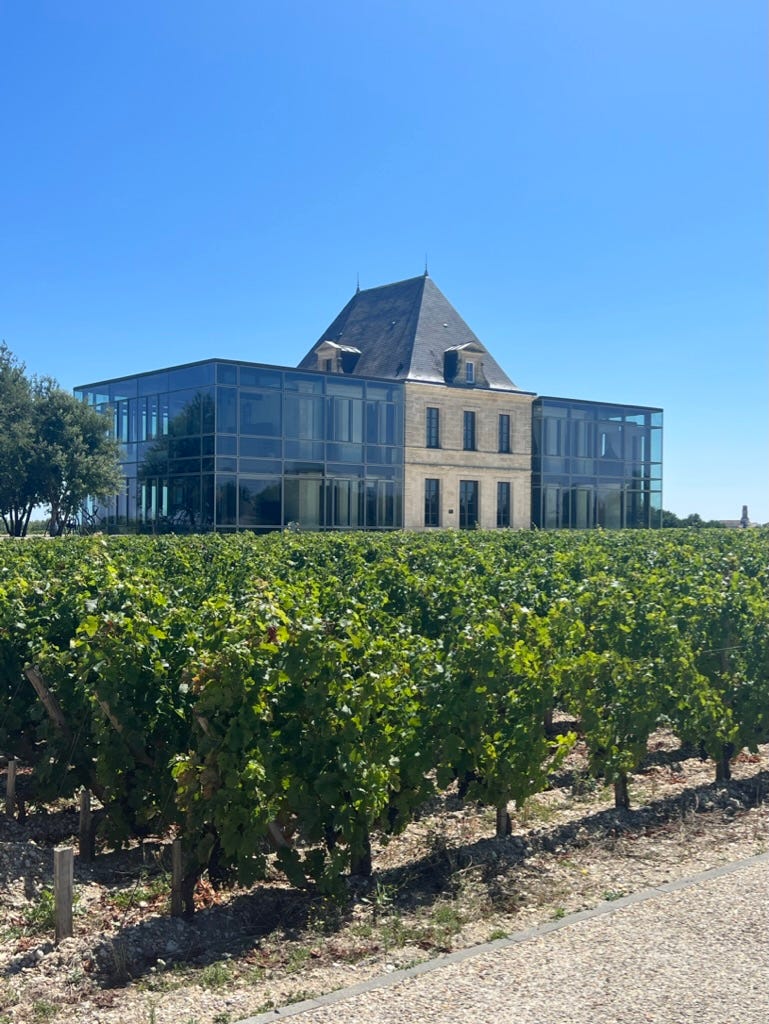
Few wine regions in the world carry the weight, prestige, and quiet confidence of Bordeaux. Mention the name and it instantly conjures images of historic estates, gravel paths lined with vines, and wines that feel both powerful and refined. But Bordeaux is far more than a reputation—it is a living, evolving region shaped by geography, tradition, and an unwavering commitment to balance.
For wine lovers, Bordeaux represents a fascinating paradox: deeply rooted in history, yet constantly reinterpreting itself. Its wines can be bold or elegant, structured or supple, immediate or built for patience. Understanding Bordeaux is less about memorizing facts and more about appreciating how subtle differences in place and philosophy show up in the glass.
A Region Shaped by Water and Time
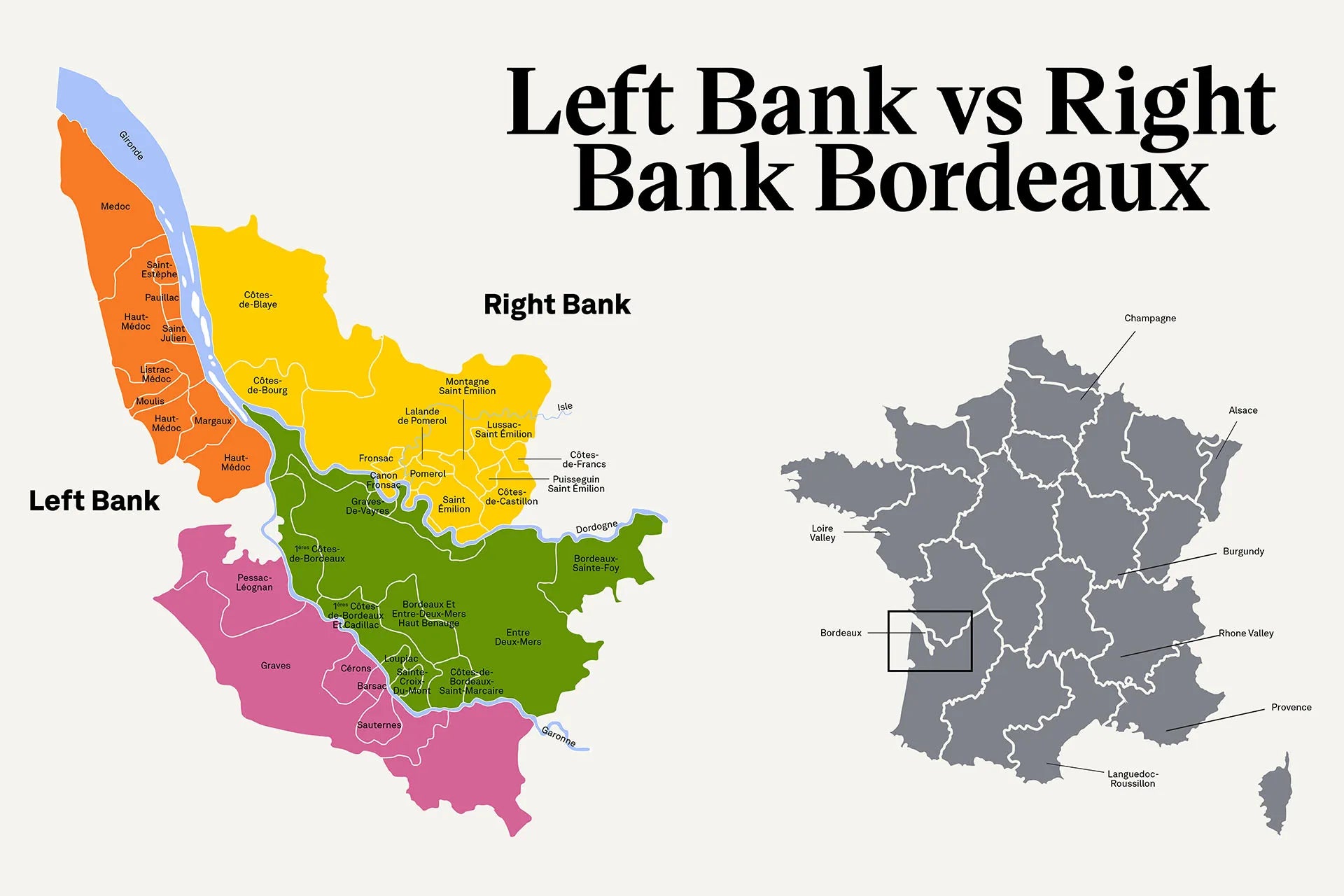
At the heart of Bordeaux’s identity is its geography. Two rivers—the Garonne and the Dordogne—flow through the region and meet to form the Gironde Estuary. These waterways divide Bordeaux into its most famous sections, commonly referred to as the Left Bank and the Right Bank. While the rivers may seem like a simple geographical detail, they play an outsized role in defining Bordeaux’s wine styles.
The rivers moderate temperatures, protect vines from extremes, and influence soil composition. Over centuries, deposits of gravel, clay, sand, and limestone have settled into distinct patterns on each side of the water. These subtle differences in soil and exposure help explain why wines from neighboring areas can feel dramatically different, even when produced just a few miles apart.
Bordeaux’s climate further enhances this diversity. Mild winters, warm summers, and steady rainfall create long growing seasons that allow grapes to develop complexity without losing freshness. The result is wines that rarely feel excessive. Instead, they prioritize harmony—between fruit, acidity, structure, and depth.
The Left Bank: Structure, Precision, and Power
The Left Bank is often associated with wines that feel confident and architectural. These wines tend to emphasize structure, backbone, and a sense of linear precision. They are the kind of wines that unfold gradually, rewarding patience and attention.
Gravel-rich soils dominate much of the Left Bank, providing excellent drainage and warmth retention. This encourages deep root systems and slow, even ripening. In the glass, Left Bank wines often show darker fruit tones, firm tannins, and a savory, almost graphite-like edge that gives them unmistakable presence.
What makes Left Bank wines especially compelling is their ability to age. Over time, their bold structure softens, revealing layers of nuance—cedar, earth, and subtle spice—that transform power into elegance. These are wines that tell stories not just of a place, but of time itself.
The Right Bank: Elegance, Texture, and Approachability
Cross the river and Bordeaux takes on a different personality. The Right Bank is known for wines that feel plush, expressive, and immediately inviting. Where the Left Bank often emphasizes structure, the Right Bank leans into texture and generosity.
Clay and limestone soils are more common here, retaining moisture and promoting a softer profile in the finished wines. The resulting expressions often feature rounder textures, supple tannins, and a sense of warmth that makes them approachable even in their youth.
Right Bank wines excel at creating emotional connections. They are generous without being heavy, elegant without being austere. While many are also capable of long aging, they often charm drinkers earlier, offering a more immediate sense of pleasure and balance.
Balance as the Core Philosophy
What truly sets Bordeaux apart is not any single style, bank, or technique—it is the region’s collective pursuit of balance. Bordeaux wines rarely aim to overwhelm. Instead, they strive to harmonize fruit, structure, and freshness into a cohesive whole.
This philosophy is rooted in centuries of winemaking experience. Generations of producers have learned that true greatness lies not in excess, but in restraint. Alcohol levels are kept in check, oak is used thoughtfully, and blending is approached as an art form rather than a formula.
Blending, in particular, is central to Bordeaux’s identity. By combining wines from different plots, soils, and microclimates, producers create finished wines that are more complete than any single component could be on its own. This layered approach adds depth, consistency, and resilience from vintage to vintage.
Bordeaux Beyond the Myth
For many wine drinkers, Bordeaux can feel intimidating. Its reputation, classification systems, and historic estates can create the impression that Bordeaux is reserved for experts or special occasions only. In reality, Bordeaux is one of the most versatile wine regions in the world.
Alongside iconic, age-worthy bottles are countless wines designed for everyday enjoyment—wines that pair beautifully with food, elevate simple meals, and invite conversation rather than contemplation. Bordeaux’s range is part of its strength, offering something for every level of curiosity and every moment at the table.
Modern Bordeaux producers are also increasingly focused on sustainability, precision viticulture, and transparency. Organic and biodynamic practices are becoming more common, and many estates are experimenting with gentler extraction, lower oak influence, and fresher expressions that resonate with today’s wine drinkers.
Food, Wine, and the Bordeaux Experience
Bordeaux wines shine brightest when paired with food. Their balance and structure make them natural companions at the table, capable of complementing rather than competing with a wide range of dishes. From rich, slow-cooked meals to simpler, ingredient-driven cuisine, Bordeaux adapts effortlessly.
This food-friendly nature is no accident. Bordeaux wines were historically made to be consumed with meals, not in isolation. Their acidity refreshes the palate, their structure supports savory flavors, and their complexity adds dimension without dominating.
Sharing a bottle of Bordeaux is as much about connection as it is about taste. These wines invite lingering dinners, thoughtful conversation, and a sense of occasion—even when the occasion is simply gathering with friends.
Why Bordeaux Still Matters
In a global wine world filled with innovation, trends, and constant reinvention, Bordeaux remains a steady reference point. It reminds us that greatness does not require extremes. That consistency, balance, and respect for place can be just as compelling as novelty.
Bordeaux’s influence can be seen far beyond its borders, shaping how wines are made and evaluated across the world. Yet it continues to evolve, proving that tradition and progress are not opposites, but partners.
For those willing to explore it with curiosity rather than preconceptions, Bordeaux offers endless rewards. Each bottle is a reflection of geography, history, and human intention—a conversation between land and time, captured in liquid form.
A Final Sip
To drink Bordeaux is to engage with one of wine’s most enduring stories. It is not about chasing perfection, but about appreciating balance. Not about dominance, but harmony. Whether enjoyed young and vibrant or aged and contemplative, Bordeaux wines offer something rare: a sense of quiet confidence that never needs to shout to be heard.
At In Vino, we believe Bordeaux is best discovered one glass at a time—shared, discussed, and enjoyed in good company. Because in the end, the true magic of Bordeaux isn’t just what’s in the bottle. It’s the experience it creates around the table. 🍷


